NASA Delays Artemis II Moon Mission After Fuel Leak
NASA Delays Artemis II Moon Mission After Fuel Leak liberal Liberal coverage portrays the Artemis II delay as a necessary, safety-driven response to hydrogen leaks uncovered in testing, treating such technical issues as normal in cutting-edge rocket development. These outlets spotlight the mission’s historic role—especially the inclusion of the first woman and first person of color on a lunar voyage—and frame schedule slips as acceptable trade-offs to protect the crew and the long-term Artemis vision. @CBS News @www.theguardian.com
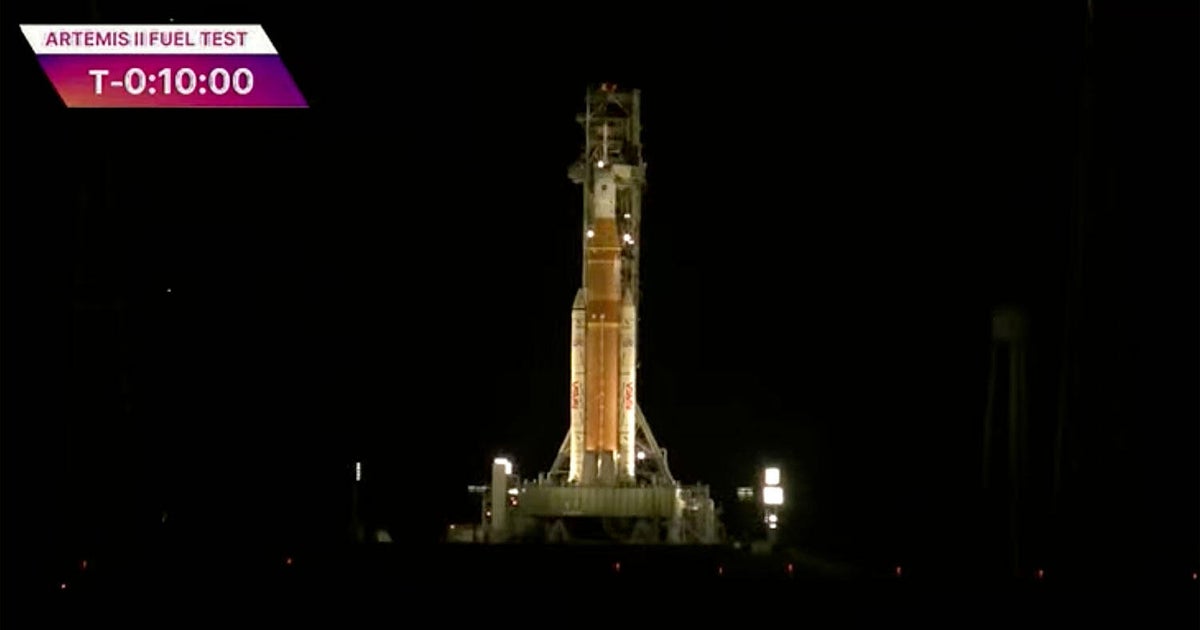
conservative Conservative coverage acknowledges safety concerns but underscores the delay as another instance of NASA missing its schedule because of technical and management challenges. These outlets downplay identity milestones relative to liberal sources and instead focus on what the fuel leak and postponement may signal about broader risks to the Artemis program’s timetable, costs, and execution discipline. @The Washington Times NASA coverage across both liberal- and conservative-leaning outlets agrees that the Artemis II mission, planned as the first crewed flight of the Space Launch System to loop around the moon, has been delayed from its original February launch window to no earlier than March. Reports consistently attribute the delay to hydrogen fuel leaks detected during a key dress rehearsal and fueling test, particularly at an umbilical plate connection, along with related valve issues that forced engineers to scrub the test early. All accounts note that the four-astronaut crew remains unchanged and emphasize that no launch attempt was underway when the issues surfaced, as this was a ground test designed to validate the rocket’s fueling systems and countdown procedures before committing to a crewed flight.
The outlets also share context that Artemis II is a central milestone in NASA’s broader Artemis program, which aims to return humans to the moon and eventually establish a sustained presence there. Coverage from both sides describes the mission as a crucial step following the uncrewed Artemis I test flight, highlighting that Artemis II is intended to send the first woman and the first person of color beyond low Earth orbit, while paving the way for later lunar landing missions. There is general agreement that hydrogen, while efficient as a propellant, is technically challenging to manage because of its tendency to leak, and that NASA now faces additional testing and hardware inspections to ensure crew safety before confirming a new launch date.
Points of Contention
Tone and framing of the delay. Liberal-aligned sources generally frame the delay as a prudent, safety-first decision within a complex test campaign, presenting the hiccup as an expected part of validating a powerful new rocket. They often emphasize that such technical setbacks are common in spaceflight development and are preferable to risking a flawed launch. Conservative sources, while acknowledging safety concerns, more often frame the delay as another example of NASA’s schedule slippage, with a sharper focus on the setback and the fact that the mission could not stay on its original timeline.
Emphasis on social and historic milestones. Liberal coverage prominently highlights that Artemis II will carry the first woman and first person of color on a deep-space mission, embedding the delay within a narrative about representation and historic milestones. These outlets tend to connect the schedule slip to the broader significance of ensuring a safe, successful mission for this barrier-breaking crew. Conservative outlets mention the crew and the mission’s importance but give comparatively less space to diversity milestones, instead centering the discussion on technical performance and program execution.
Institutional critique and accountability. Liberal sources, when critical, tend to focus on the inherent engineering challenges of hydrogen-fueled systems and the need for additional testing, portraying the issue more as a technical hurdle than a management failure. They may underline NASA’s transparency in reporting the leak and its methodical approach to troubleshooting. Conservative outlets are more inclined to imply or raise questions about NASA’s program management, cost, and recurring delays, sometimes situating the fuel leak within a pattern of bureaucratic inefficiency or overly ambitious scheduling.
Implications for the broader Artemis timeline. Liberal reporting typically situates the Artemis II delay within a long-term roadmap, stressing that short-term slips are acceptable if they contribute to the sustainability and safety of future lunar missions. These accounts often underscore that timeline adjustments are common in multi-mission programs and might not fundamentally derail Artemis objectives. Conservative coverage more pointedly connects the delay to concerns about broader schedule risk for subsequent Artemis missions and potential budgetary strains, warning that repeated technical issues could jeopardize timely achievement of U.S. lunar goals.
In summary, liberal coverage tends to present the Artemis II delay as a cautious and expected step in a complex, historic program with strong emphasis on crew diversity and long-term safety, while conservative coverage tends to spotlight the setback as part of a pattern of schedule and management challenges, focusing more on program efficiency, costs, and the risk of further slippage.
Story coverage nevent1qqst0pu8enp2zc4m05u5rj46mtp0hsjartklv456e57sv2g8xegrshc3239mq nevent1qqst9cwdgzr6h07uceju0l6xxhypk3v2rd4s38ryzf6z07cywjvngyq2fq07r nevent1qqs2fkqyrjug526a03y7ga3dumeedf26fe9ullpx0ytrnf6yc8dzl2qq8h9xz