Trump Threatens Tariffs on Canadian Aircraft Over Certification Dispute
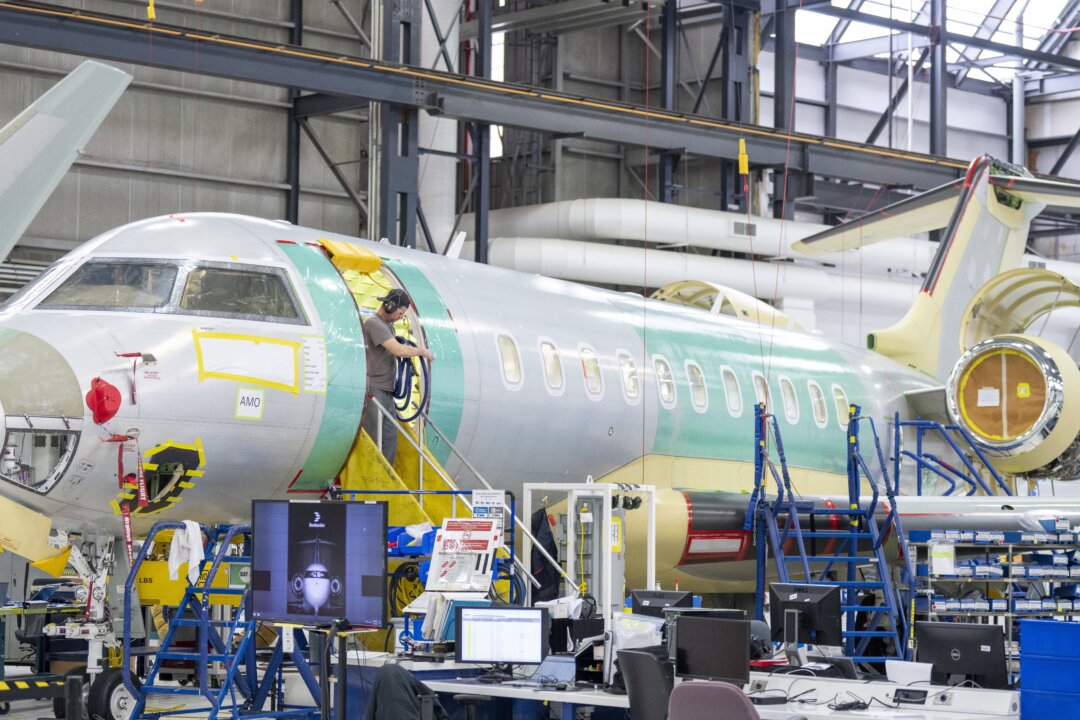
Trump Threatens Tariffs on Canadian Aircraft Over Certification Dispute conservative Conservative coverage portrays Trump’s threatened 50 percent tariffs and decertification of Canadian aircraft as a firm but necessary response to Canada’s alleged refusal to certify U.S.-made Gulfstream models, aimed at rebalancing an unfair regulatory relationship. It tends to frame the confrontation as a legitimate use of executive trade tools to defend U.S. aerospace interests and push an ally toward reciprocity. @The Washington Times @The Epoch Times President Donald Trump has publicly threatened to impose a 50 percent tariff on Canadian-made aircraft sold in the United States, tying the move to what he describes as a certification dispute between the two countries. Across outlets, coverage agrees that Trump is using the prospect of tariffs and decertification as leverage over Canada’s alleged refusal to certify multiple models of U.S.-manufactured Gulfstream jets, and that he has specifically named Canadian-made Bombardier Global Express aircraft and other Canadian-built planes as potential targets. Reports agree that this marks an escalation in a broader trade feud between Washington and Ottawa, that the threats are framed by Trump as conditional on Canada’s actions on certification, and that the measures could significantly affect cross‑border aviation trade if implemented.
Shared context in both liberal- and conservative-leaning discussions emphasizes that aircraft certification is normally handled through technical aviation and regulatory agencies, and that U.S.–Canada aviation cooperation has historically relied on reciprocal recognition of each country’s safety approvals. Outlets broadly describe the episode as part of a wider pattern of Trump-era trade brinkmanship, in which tariffs and decertification threats are wielded as negotiating tools rather than as purely economic or safety-based measures. There is general acknowledgment that Bombardier and Gulfstream are major industry players and that disrupting certifications could ripple through supply chains, jobs, and bilateral trade relations. Both sides also note that any decertification or steep tariff action would likely trigger legal and diplomatic pushback, and could involve review by trade bodies or aviation authorities.
Points of Contention
Motives and framing. Liberal-leaning coverage tends to portray Trump’s tariff and decertification threats as politically driven brinkmanship that uses technical safety and certification processes as a pretext for economic nationalism. Conservative-leaning outlets are more likely to frame the move as a tough but legitimate response to Canada’s alleged refusal to certify U.S.-made Gulfstream jets, casting it as an effort to restore fairness in a lopsided regulatory relationship. Liberals emphasize the risk of undermining rule-based certification norms, while conservatives highlight leverage and reciprocity as necessary tools in negotiations.
Economic impact and risk. Liberal sources generally stress the potential downside risks of a 50 percent tariff, warning about higher costs for airlines, disruption for Bombardier and related suppliers, and the possibility of a broader trade war that could harm workers on both sides of the border. Conservative sources more often argue that any short-term economic turbulence is an acceptable price for compelling Canada to change its certification practices and protect U.S. aerospace interests. While liberals emphasize collateral damage to global supply chains and long-term reputational harm to U.S. trade policy, conservatives highlight potential gains for U.S. manufacturers if Canada relents or if production shifts toward American firms.
Use of executive power and institutions. Liberal-leaning reporting tends to question Trump’s use of presidential power to threaten decertification of Canadian aircraft, suggesting it politicizes what should be independent regulatory decisions by aviation safety authorities. Conservative-leaning coverage is more inclined to treat the threats as a justifiable extension of executive authority over trade and international agreements, arguing that prior administrations were too deferential to foreign regulators. Liberals underscore concerns about precedent and the erosion of institutional independence, whereas conservatives focus on reasserting national control over regulatory and trade tools.
Diplomatic and strategic implications. Liberal sources typically warn that such aggressive tariff and decertification threats against a close ally could damage long-standing U.S.–Canada relations and weaken broader Western cooperation on trade and security. Conservative outlets more frequently suggest that strong measures are necessary even with allies to prevent what they portray as unfair treatment of U.S. companies and to signal resolve to other trading partners. Where liberals stress the risk of alienating partners and encouraging retaliatory measures, conservatives stress signaling strength and resetting expectations in future negotiations.
In summary, liberal coverage tends to cast Trump’s tariff and decertification threats as an overreach that weaponizes technical regulation, risks economic damage, and strains relations with a key ally, while conservative coverage tends to describe them as a necessary assertion of leverage to correct perceived Canadian unfairness and protect U.S. aerospace interests. Story coverage nevent1qqsw6xmllxnn9rkzde3jxexkjr5se7nsej4h5kh2njcvh6wyxhd0jrc28jlng nevent1qqsvka0ny5uqlte34sxfwa0yqn4xupg8rrdk4kwdvr357whz02uax3qcu9kju