Jury Selection for Luigi Mangione's Murder Trial Set for September 8
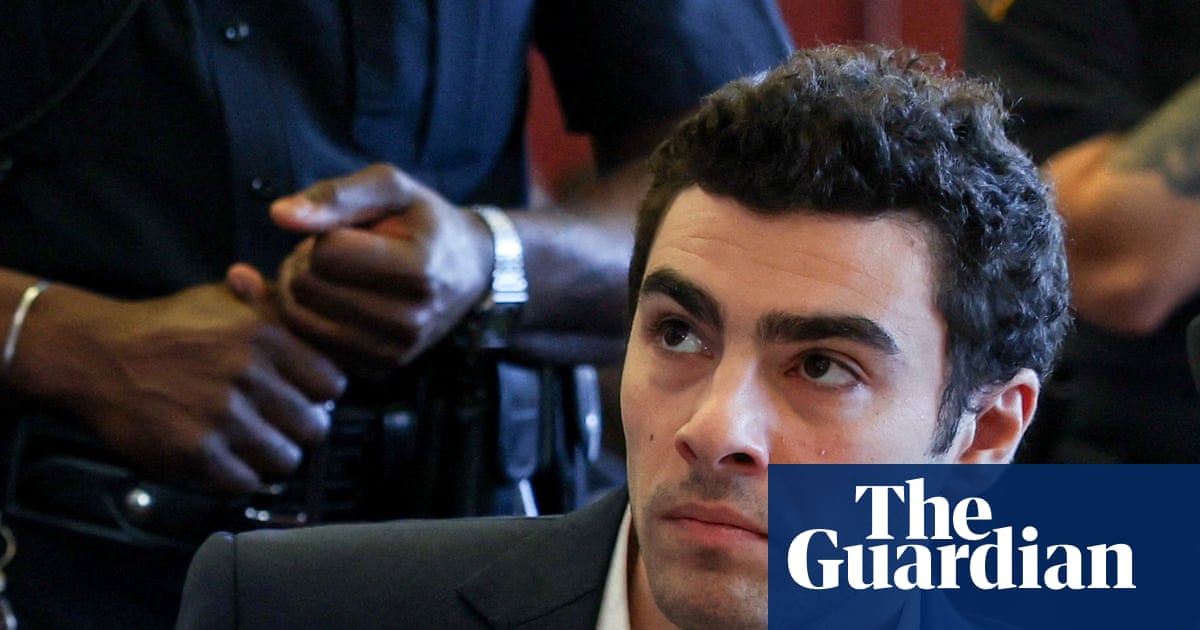
Jury Selection for Luigi Mangione’s Murder Trial Set for September 8 liberal Liberal coverage stresses the legality of the backpack search, the defendant’s due process rights, and the far-reaching implications of whether the case proceeds as a capital trial. It presents the Mangione case as a window into broader debates over police conduct, evidence suppression, and the ethics of the federal death penalty. @@cuxr…hw6s
conservative Conservative coverage emphasizes that Luigi Mangione is finally heading to trial in the killing of UnitedHealthcare CEO Brian Thompson and that a judge has locked in jury selection for September 8. It frames the death penalty question largely as a matter of what penalties should be on the table for a particularly serious crime and underscores the need for accountability and justice for the victim. @The Washington Times Jury selection for the federal murder trial of Luigi Mangione, charged in the killing of UnitedHealthcare CEO Brian Thompson, is scheduled to begin on September 8, as confirmed in recent court proceedings. Both liberal- and conservative-leaning outlets agree that this is a federal case, that the date was set by Judge Margaret Garnett, and that the trial’s trajectory may hinge on whether it proceeds as a capital case with a potential death penalty. Coverage from both sides aligns on the core facts of who is involved, the nature of the charge, and the basic procedural posture that this is the opening phase of a high-profile homicide trial.
Across the political spectrum, outlets situate the case within the broader framework of federal criminal procedure and capital punishment. They acknowledge that the judge’s forthcoming decisions will determine whether the government can seek the death penalty and how the trial will unfold procedurally. Both sides also present the case as significant because it involves the killing of a prominent health care executive and is expected to draw attention to how federal courts manage evidence challenges, jury selection, and potential capital sentencing in high-visibility corporate-related crimes.
Points of Contention
Legal process and rights. Liberal-aligned coverage emphasizes the defense’s challenge to the search of Mangione’s backpack, highlighting due process, warrant requirements, and the need for strict scrutiny of police conduct. Conservative coverage, while acknowledging the legal process, tends to keep that detail in the background and instead foregrounds the fact that a CEO was killed and that a trial date is now firmly set. Where liberal sources frame the evidentiary dispute as central to ensuring a fair trial, conservative sources more often treat it as a technical matter secondary to holding a suspect accountable.
Death penalty framing. Liberal sources focus on the gravity of allowing the case to proceed as a capital trial, often underscoring the ethical and legal implications of the death penalty and the judge’s pivotal role in that determination. Conservative outlets generally frame the capital aspect as a consequential but procedural question—one of what punishment may be available rather than whether that punishment is fundamentally problematic. As a result, liberal coverage leans toward viewing the capital designation as a policy and civil-liberties issue, while conservative coverage presents it chiefly as a question of fitting penalty for a serious crime.
Emphasis on victims versus defendant. Liberal-leaning reporting balances the mention of Brian Thompson’s status as a CEO with attention to Mangione’s defense strategy and constitutional protections, aiming to keep focus on process as much as on the human loss. Conservative coverage more strongly foregrounds Thompson’s role as a corporate leader and victim, using his position to underscore the severity and public stakes of the case. Thus, liberal accounts tend to stress procedural fairness for the accused, while conservative accounts highlight the need for justice on behalf of the slain executive.
Broader narrative and stakes. Liberal outlets are more likely to situate the case within broader discussions of criminal justice reform, policing standards, and limitations on state power in capital prosecutions. Conservative outlets tend instead to frame it within a law-and-order narrative, emphasizing that a suspect is being brought to trial and that the system is moving toward resolution for a high-profile killing. This leads liberal coverage to treat the trial as a lens on systemic issues, while conservative coverage presents it primarily as a test of accountability in a singular, high-impact crime.
In summary, liberal coverage tends to foreground constitutional safeguards, the controversy over evidence and capital punishment, and systemic justice implications, while conservative coverage tends to stress the gravity of killing a major CEO, the importance of firm punishment, and the progress of the case toward a decisive outcome.
Story coverage nevent1qqsx3awckea5nytu9kp6sxen0aqwgnaphdku9vax80aylk3vtpev4mcja62le nevent1qqs2kls495pcglp3205y7rpky7nvuupg2vkvtz7l9lrvggu2plnhaeqn2h82p