Five Arrested in Connection with Shooting of Indiana Judge Steven Meyer and Wife
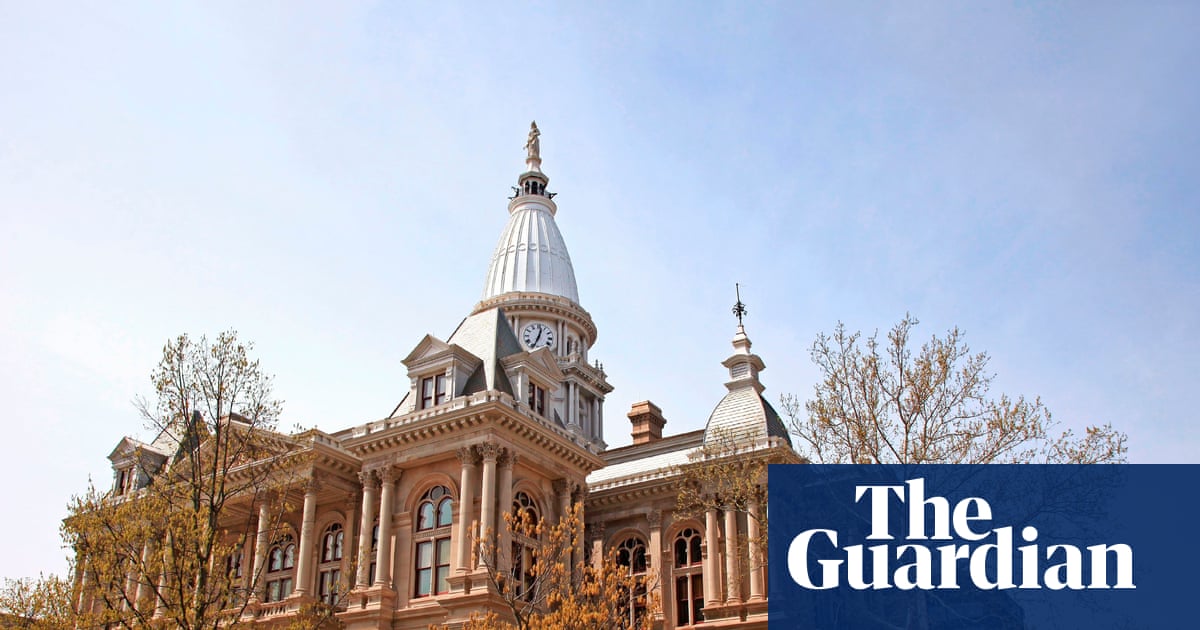
Five Arrested in Connection with Shooting of Indiana Judge Steven Meyer and Wife liberal Liberal coverage stresses that the shooting of Judge Steven Meyer and his wife is emblematic of increasing dangers faced by judges, linking the attack to domestic violence cases on his docket and a broader climate of hostility toward the judiciary. These outlets use the incident to argue for stronger judicial security measures and institutional reforms to protect court officials and sustain public trust. @@cuxr…hw6s @@vavl…kk84
conservative Conservative coverage emphasizes the arrests, the specific charges against the five suspects, and the injuries and recovery of Judge Meyer and his wife, treating the event as a grave but localized criminal case. These outlets focus on law-enforcement effectiveness and the functioning of the justice system, with far less emphasis on broader political or systemic implications. @Fox News Five individuals from Indiana and Kentucky have been arrested in connection with the shooting of Tippecanoe County Judge Steven Meyer and his wife, Kimberly, at their Indiana home. Across both liberal- and conservative-leaning coverage, outlets agree that three of the suspects face attempted murder (and related conspiracy) charges, while two others are charged with offenses such as bribery, obstruction of justice, and assisting a criminal. Reports from both sides note that Judge Meyer was shot in the arm and Kimberly Meyer in the hip, that both are hospitalized but in stable condition and recovering, and that at least one suspect had pending domestic violence charges in Meyer’s court. All accounts emphasize that law enforcement quickly identified the suspects, who are now in custody, and that the case is unfolding within the standard criminal-justice process.
Coverage from both liberal and conservative sources situates the incident within broader concerns about threats to public officials and the integrity of the judicial system. Articles consistently reference Meyer’s role as a state judge in Tippecanoe County and underscore that the alleged targeting may be linked to cases over which he presided, particularly domestic violence matters. They highlight the institutional response by police, prosecutors, and the courts as aiming to demonstrate that attacks on judges will be rigorously investigated and prosecuted. Both sides also mention that the event has triggered renewed discussion of judicial security and the need to protect court officers so they can carry out their duties without fear of violent retaliation.
Points of Contention
Emphasis on judicial safety vs. crime narrative. Liberal-aligned outlets foreground the shooting as part of a growing pattern of threats to judges and public officials, using it to underscore systemic concerns about judicial safety and the need for institutional safeguards. Conservative outlets, while acknowledging concern for the judge’s safety, lean more heavily into a conventional crime story frame, centering on suspects, charges, and law-enforcement action rather than broader structural themes. Liberal reporting more often links the case to national conversations about protecting the judiciary. Conservative coverage tends to treat it as a serious but localized criminal incident rather than a symbol of an escalating national trend.
Political and systemic framing. Liberal sources subtly connect the attack to a climate of hostility toward the judiciary, implying that increasingly polarized attitudes and anger at court decisions create a more dangerous environment for judges. Conservative sources largely avoid attributing the incident to wider political polarization or rhetoric, instead emphasizing the alleged personal motives related to specific cases before Meyer’s court. Liberal coverage thus places the shooting within a narrative about institutional strain and democratic norms. Conservative coverage keeps the focus on individual criminal responsibility and refrains from broader political or systemic critique.
Focus on the suspect–court relationship. Liberal outlets more prominently highlight that at least one suspect had pending domestic violence charges in Meyer’s court, framing the alleged attack as possible retaliation against judicial authority and as a warning sign about risks judges face in emotionally charged dockets. Conservative outlets mention the case connections but treat them as part of standard background, emphasizing the evidence trail and the charges more than the symbolic clash between defendants and the bench. As a result, liberal coverage uses the relationship to argue for enhanced protections and perhaps procedural reforms. Conservative coverage uses it mainly to explain investigative leads and motive without expanding into policy advocacy.
Policy and reform implications. Liberal coverage more consistently uses the incident to support calls for increased funding, security protocols, and reforms aimed at safeguarding judges and their families, sometimes invoking similar recent cases to stress urgency. Conservative coverage generally limits itself to statements from officials praising law enforcement and expressing confidence in the justice system, without strongly pushing new policy prescriptions. Liberal outlets thus turn the case into a springboard for discussing reforms and institutional resilience. Conservative outlets focus more on the successful apprehension of suspects as evidence that current systems can address such crimes.
In summary, liberal coverage tends to frame the shooting as part of a broader pattern of rising threats to the judiciary that demands enhanced protections and systemic responses, while conservative coverage tends to treat it primarily as a serious but contained criminal case centered on individual suspects, law-enforcement action, and the functioning of the existing justice system. Story coverage nevent1qqsgnsmwqjje2g9whnyx858t32j0vf73etc33e7kyj4wufhf3dejlgsepf0nf nevent1qqsdlk5t3g753rtx7fc7sfm9a24h7d9y4yrmpw900gmdalr8srnrr3sw8yxyv nevent1qqsr6l2kpx83jnftzd974nwjq8p9kua2n8hdd2h6zkl4svxx9uhgetc0kxt4j