UK Prime Minister Keir Starmer Condemns Trump's Remarks on NATO Troops in Afghanistan
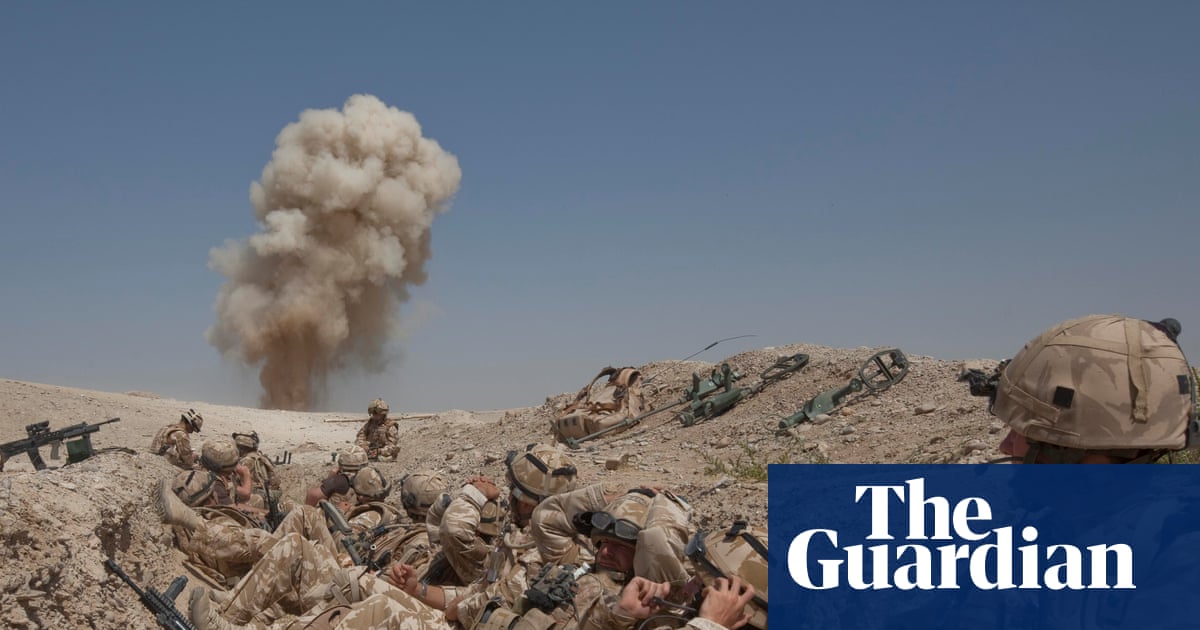
UK Prime Minister Keir Starmer Condemns Trump’s Remarks on NATO Troops in Afghanistan liberal Liberal outlets depict Starmer’s condemnation of Trump as a long-overdue, values-driven stand in defence of British troops’ sacrifice and NATO solidarity, treating Trump’s remarks as a grave misrepresentation that warrants public pushback and an apology. They frame the episode as both a test of Starmer’s leadership and an opportunity to reaffirm the UK’s commitment to Europe and alliance norms of mutual respect. @@cuxr…hw6s @The Gateway Pundit
conservative Conservative outlets portray Starmer’s attack on Trump as a politically motivated ploy to distract from his domestic weaknesses, including controversies over elections and veterans policy, while minimising the uniqueness of Trump’s rhetoric within his broader NATO critiques. They cast doubt on Starmer’s sincerity toward the armed forces and warn that his public rebuke may be diplomatically unwise and more about image than substance. @The Washington Times UK Prime Minister Keir Starmer publicly condemned Donald Trump’s recent remarks suggesting that some NATO allies, including the UK, kept their troops “a little off the front lines” during the Afghanistan war. Across both liberal and conservative coverage, outlets agree that Starmer described Trump’s characterisation as “frankly appalling” and as diminishing the role and sacrifice of British servicemembers who fought and died in Afghanistan. Reports concur that Starmer aligned himself with veterans and called for an apology from Trump, framing his comments as a defence of the integrity and bravery of British troops. Both sides also acknowledge that this episode has further strained already difficult US‑UK relations, evoking comparisons with tensions during Trump’s earlier time in office and drawing attention to ongoing sensitivities over NATO burden‑sharing and military reputations.
Coverage also converges on a shared understanding of the institutional and geopolitical background: NATO’s two‑decade mission in Afghanistan, the heavy British casualties suffered alongside US forces, and the broader transatlantic debates over which allies bore the greatest combat load. Liberal and conservative reports alike place Starmer’s remarks within the context of the UK’s efforts to project reliability within NATO and to maintain credibility with its own armed forces community. They note that disputes over troop deployments, rules of engagement and frontline exposure have long been touchpoints in alliance politics, and that public criticism from a sitting US president about allies’ combat roles is highly unusual. Both perspectives therefore treat the incident as part of a larger story about alliance cohesion, respect for fallen soldiers and the political risks leaders face when they challenge or defend NATO partners in public.
Points of Contention
Motives and political calculation. Liberal-aligned outlets frame Starmer’s condemnation as a principled defence of British troops and an overdue willingness to stand up to Trump on issues of honour and international partnership, suggesting it may also strengthen his domestic authority and pro-European positioning. Conservative outlets tend to portray the same intervention as a calculated distraction from Starmer’s domestic troubles, arguing that he is using Trump as a foil to divert attention from controversies such as cancelled local elections and disputes over veterans legislation. While liberals see a values-based response to an insult against the military, conservatives emphasise strategic self-interest and media management as Starmer’s primary drivers.
Characterisation of Trump’s remarks. Liberal coverage highlights Trump’s comments as deeply disrespectful, often stressing that they “diminish” British dead and misrepresent the record of UK troops who took significant risks in Afghanistan, and it underscores calls for Trump to apologise. Conservative sources, while acknowledging the controversy, tend to describe Trump’s language in more clinical or transactional terms, focusing on his broader critiques of NATO burden-sharing and suggesting his comments fit a long-standing pattern rather than a unique outrage. Liberals thus foreground moral affront and historical falsification, whereas conservatives contextualise the remarks within Trump’s ongoing negotiation style and skepticism toward certain allies.
Impact on US‑UK and NATO relations. Liberal outlets commonly warn that Trump’s assertions and Starmer’s sharp rebuttal risk deepening the worst strains in US‑UK relations since Trump’s previous presidency, but they also imply that drawing a clear line may ultimately reinforce NATO norms of mutual respect and shared sacrifice. Conservative reporting is more likely to suggest that Starmer’s public rebuke is diplomatically clumsy, potentially antagonising a powerful American figure and injecting partisan drama into alliance politics at a time when cohesion is needed. Where liberals see a necessary stand that could bolster European solidarity within NATO, conservatives worry about needless escalation that could complicate future UK dealings with a still-influential Trump.
Starmer’s record on the military and veterans. Liberal coverage largely focuses on his present defence of servicemembers, giving limited attention to past controversies and presenting him as aligned with veterans who felt slighted by Trump’s narrative. Conservative outlets, by contrast, emphasise what they depict as Starmer’s inconsistent record, citing issues like legislation affecting veterans’ legal protections and the cancellation of local elections to argue that his professed concern for the armed forces is opportunistic. Thus liberals narrate a story of a leader standing with veterans against external disparagement, while conservatives cast him as exploiting veterans’ issues despite a checkered policy history.
In summary, liberal coverage tends to present Starmer as taking a principled, necessary stand in defence of British troops and NATO norms against Trump’s misleading and disrespectful remarks, while conservative coverage tends to depict his condemnation as politically opportunistic, overblown in its reaction to Trump’s comments, and designed to distract from or obscure Starmer’s own domestic vulnerabilities. Story coverage nevent1qqsxn9z70ja7c22cet9ew6tlsxglnltp9d0ra40u84y56y8sl5p8grc5pq3lu nevent1qqsdlle88ulp0gqzxn2rmfaht9k4wzue8wzzs773ugd26zj54llurwgpc8atd nevent1qqs86le7r78wa2j9w4zyhhya4czac66guajr0qvcekr4359zwdpruqgxxtudk nevent1qqsx29qtldnmxav55je5p874dqlyzv46trlr9nd39uay5q825zhc02sdgkc89