Judge Declines to Sign Complaint Against Don Lemon Over Church Protest
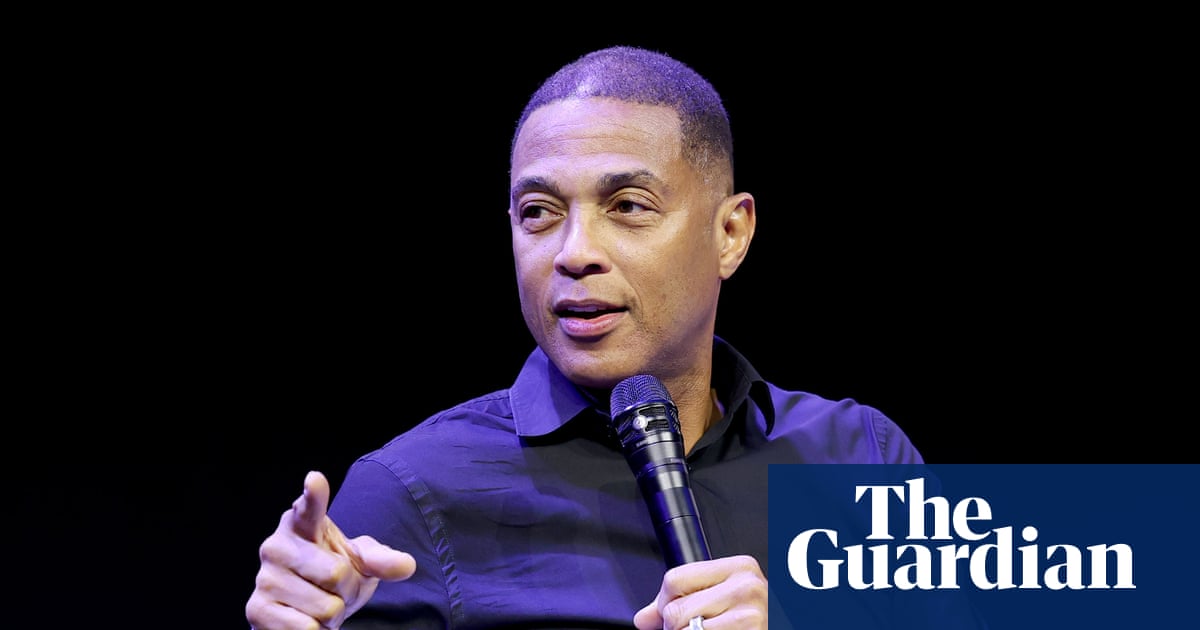
Judge Declines to Sign Complaint Against Don Lemon Over Church Protest liberal From a liberal perspective, the judge’s refusal to sign off on charges against Don Lemon is a straightforward application of probable-cause standards that protects journalistic activity from politicized prosecution. These outlets frame Lemon as a reporter documenting a protest and depict continued efforts to charge him as part of a broader pattern of overzealous, politically driven use of federal protest laws. @The Gateway Pundit @@cuxr…hw6s @@vavl…kk84
conservative From a conservative perspective, the decision not to charge Don Lemon raises red flags about bias and double standards in the justice system, especially given the judge’s spousal connection to a Democratic attorney general’s office. These outlets question whether Lemon was effectively participating in, rather than merely covering, a disruptive church protest and argue that powerful media figures are being shielded from accountability that ordinary protesters would face. @Blaze Media A federal magistrate judge in Minnesota, identified as Douglas L. Micko, declined to sign an arrest warrant and approve federal charges against former CNN anchor and independent journalist Don Lemon stemming from a protest at a St. Paul church. Coverage across the spectrum agrees that Lemon was present at and livestreamed an anti-ICE protest that disrupted a church service, that he had advance knowledge of the protest and was embedded with demonstrators, and that two activists, Chauntyll Louisa Allen and Nekima Levy Armstrong, did face federal charges related to the same incident, with at least one FACE Act charge against them also crossed off by the magistrate. Both liberal- and conservative-leaning reports note that U.S. Attorney General Pam Bondi was angered by the judge’s refusal, that the Justice Department is exploring other avenues to pursue charges, and that Lemon’s attorney argues his conduct was constitutionally protected journalistic activity.
Across outlets, reports situate the case within federal enforcement of protest-related offenses, especially those implicating the FACE Act and disruptions at religious institutions, and within ongoing tensions over how aggressively the Justice Department should prosecute demonstrators and accompanying media figures. Coverage also converges on the institutional relationships at issue: Micko’s position as a federal magistrate judge, his authority over probable-cause determinations on complaints and warrants, and the broader roles of the Minnesota Attorney General’s Office and the U.S. Department of Justice in politically sensitive cases. Both sides acknowledge that the dispute touches on press freedoms, protest rights, and the limits of federal power to criminalize disruptive political activity, even as they differ in emphasis and interpretation.
Points of Contention
Nature of Lemon’s conduct. Liberal-aligned outlets tend to frame Lemon primarily as a journalist documenting a newsworthy protest, highlighting his livestream and his attorney’s claims that his activities fall squarely under constitutionally protected newsgathering. Conservative sources, by contrast, more strongly emphasize that Lemon had advance knowledge of a planned disruption and describe him as “embedded” with protesters in a way that, in their view, blurs the line between observing and participating. Liberal coverage generally downplays the idea that this coordination converts his role into criminal conduct, while conservative coverage suggests that such involvement makes him functionally part of the disruptive action rather than a neutral observer.
Characterization of the judge and decision. Liberal-oriented reports typically present Judge Micko’s refusal as a legal, evidence-based determination about probable cause, focusing on the standard for approving charges and the narrowing of FACE Act counts even for activists. Conservative coverage more often casts suspicion on the decision by underscoring that Micko’s wife works as an assistant attorney general in Keith Ellison’s office, implying a partisan or ideological alignment that might favor someone like Lemon. While liberal accounts treat the spousal connection as incidental or irrelevant to the legal analysis, conservative outlets elevate it as a possible conflict of interest and a sign that the judiciary is shielding politically connected media figures.
Political framing and perceived double standards. Liberal-aligned sources frame the failed complaint against Lemon against a backdrop of Trump and his allies publicly calling for Lemon’s arrest, suggesting the push for charges has a political or retaliatory flavor rather than being purely evidentiary. Conservative outlets tend to stress outrage from Attorney General Pam Bondi and emphasize what they portray as a broader pattern of leniency for left-leaning protesters and sympathetic journalists, contrasting it with what they argue is harsher treatment for right-leaning demonstrators. Liberal coverage treats the outcome as a check on politicized prosecutions and a validation of press rights, whereas conservative coverage treats it as another example of a justice system applying different rules depending on ideology.
Implications for DOJ and future enforcement. Liberal sources mention that the Justice Department is exploring other avenues to pursue charges but often frame this as aggressive or overreaching, particularly if it continues to target journalistic conduct around protests. Conservative reporting, while also noting DOJ’s continued interest, is more inclined to portray further efforts as necessary to secure accountability for disruptions of religious services and potential FACE Act violations. From the liberal perspective, renewed pursuit heightens concerns about criminalizing coverage of protests, while from the conservative side it is seen as a test of whether high-profile media figures can be held to the same standards as activists and ordinary defendants.
In summary, liberal coverage tends to view the judge’s refusal as a legally grounded protection of press freedom and a rebuff to politically driven prosecution, while conservative coverage tends to see it as a suspicious, possibly politically influenced shield for a well-connected media figure that underscores uneven enforcement of protest-related laws. Story coverage nevent1qqsr4gsv4cges4a7lvuhvwll6aurf2j2dk55dv3839mtv3vtp2seq2ssk0ekf nevent1qqsz9mjuqq2v28uyvlzngy2v0fyawxj96u8hnhv59fxz3w993st9sgqyzwvus nevent1qqsq6yrk0066umftwexjw420eryj9r4zjz69mvws4u2whe569q2284su8dvur nevent1qqst7n3jp4drvanqwj4fl44gw7cu0hc2p9v6glpat9j3dnsce4eeqeqeydmxf nevent1qqsqqt8m6tct3ar5ww6t6d9ujxl320npjm3e93x04nmumr8rqa8jnjgxl27ph nevent1qqsrc35upjmjjte5k4z740uufw9er26k0hdmujdnpcvhgxw9yp2asvq82ng55