Marineland Seeks Permits to Sell Remaining Whales to US
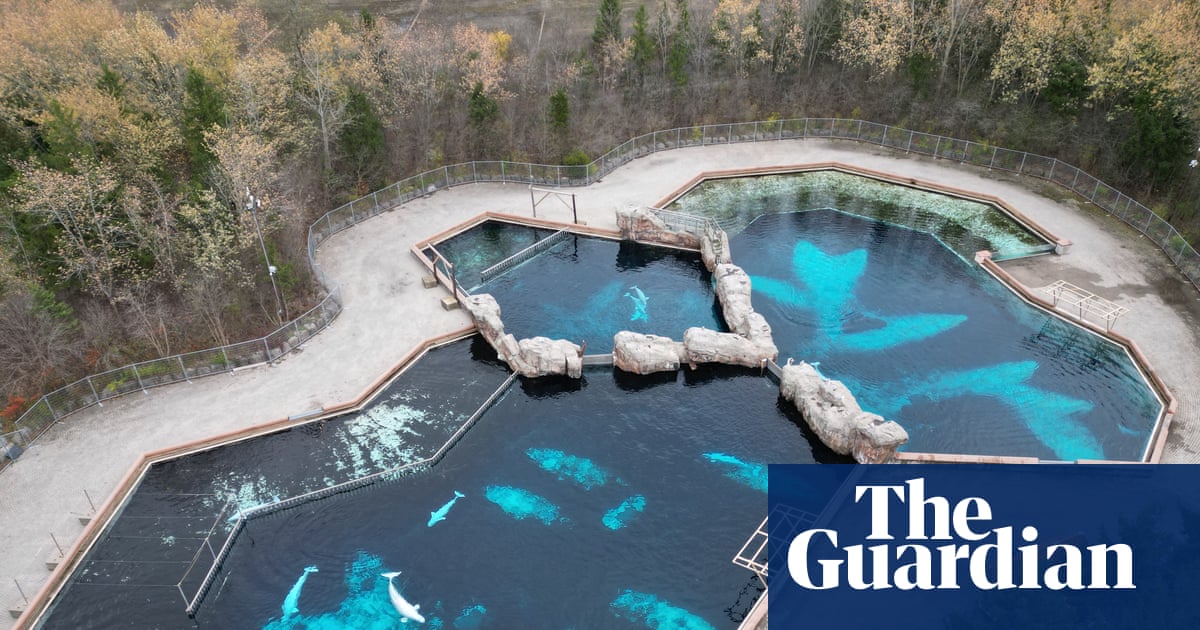
Marineland Seeks Permits to Sell Remaining Whales to US liberal Liberal coverage portrays Marineland’s export request as a morally fraught attempt by a historically abusive facility to offload its remaining whales, using the threat of euthanasia as leverage against regulators. These outlets stress the park’s record of animal deaths, demand stringent scrutiny of U.S. destinations, and argue that animal welfare and anti-captivity principles must trump Marineland’s deadlines. @@cuxr…hw6s
conservative Conservative coverage frames the situation as a race against time in which regulatory delays could trigger the euthanasia of dozens of whales and dolphins, making export permits to U.S. institutions a necessary, humane compromise. These outlets acknowledge past controversies but focus more on government responsiveness, legal obstacles, and the practicality of relocation as preferable to a mass cull. @The Epoch Times Marineland, a controversial Canadian amusement park and aquarium in Niagara Falls, Ontario, is seeking federal permits to export its remaining captive whales—about 30 beluga whales and four dolphins—to facilities in the United States after an earlier attempt to send animals to China was rejected by Canadian authorities. Both liberal- and conservative-leaning outlets report that the federal government, through the responsible minister, is currently reviewing new export permit applications and that Marineland has set a short timeline, warning that if permits are not granted, it has a prepared plan to euthanize the animals, a threat that has been communicated directly to Ottawa.
Coverage across the spectrum agrees that Marineland has a long history of controversy over animal welfare and numerous marine mammal deaths, and that Canadian law now restricts the capture and breeding of whales and dolphins, pushing facilities toward transfers and non-breeding exhibition. Both sides emphasize that the case tests how those legal reforms and regulatory institutions handle aging captive populations, cross-border transfers, and the balance between animal welfare, public pressure, and the operational realities of marine parks. They also agree that any U.S. institutions receiving the animals would need to meet regulatory standards and that this episode reflects growing international scrutiny of keeping cetaceans in captivity.
Points of Contention
Framing of euthanasia threat. Liberal-aligned outlets tend to frame Marineland’s euthanasia warning as an alarming and morally coercive tactic, stressing the prior threat to kill whales for lack of resources and implying it’s being used to pressure regulators. Conservative sources more often treat the euthanasia plan as a contingency emerging from regulatory delays and limited options, focusing on the existence of a formal plan rather than interrogating its ethics. Liberal coverage emphasizes the emotional stakes and suggests the threat underscores a pattern of neglect, while conservative coverage presents it as a stark but procedural element in a time-sensitive standoff.
Portrayal of Marineland’s past conduct. Liberal sources foreground Marineland’s history of animal deaths, protests, and investigative exposés, suggesting the current export request is the culmination of years of mismanagement and inadequate care. Conservative coverage references the controversies but is generally less expansive, framing them as background rather than the central lens for interpreting the new permit applications. Liberal reporting often uses that track record to cast doubt on Marineland’s motives and competence, while conservative outlets are more inclined to assess the present proposal on its logistical and legal merits.
Regulators’ role and urgency. Liberal outlets stress that regulators must not be rushed by imposed deadlines and argue that animal welfare, independent oversight, and compliance with anti-captivity reforms should take precedence over Marineland’s timetable. Conservative coverage focuses more on the tight deadlines as a bureaucratic pressure point, highlighting the risk that slow government action could directly lead to euthanasia and thus implicitly urging quicker decisions. Liberal reporting tends to highlight the responsibility of the government to enforce strong protections even if it frustrates the park, while conservative stories often frame the state as a potential obstacle that must move swiftly to avoid a worse outcome.
Characterization of U.S. destinations. Liberal-aligned pieces question whether U.S. institutions will offer genuinely better conditions or simply continue a problematic captivity model, noting that export permits should consider ethical and not just technical standards. Conservative coverage is more likely to present U.S. aquariums and marine parks as viable, professionally regulated sanctuaries that could resolve the crisis humanely if red tape is cleared. While liberals view the transfers as a morally ambiguous last resort that still perpetuates captivity, conservatives emphasize relocation as a pragmatic solution preferable to mass euthanasia.
In summary, liberal coverage tends to emphasize Marineland’s controversial history, the ethical problems with using euthanasia as leverage, and the need for strong, unhurried regulatory scrutiny, while conservative coverage tends to stress bureaucratic delays, present U.S. facilities as practical lifeboats for the animals, and frame the euthanasia plan as a grim but procedural pressure point tied to government inaction. Story coverage nevent1qqspnxmx5gdw32mgezjljp8llm5k3sysks0pqnyug3582lx04pf5d9sl7exxr nevent1qqsqxdh6lqdega04x8yrfej68rm2na76040n0tk7djplwngemjs0cesmes82d nevent1qqstx7vp9hsd6kng3mlhx3tvy4przvaqummfs7duzhuu8njjv644phsxaqucn nevent1qqsqsmaujges4gj3mmj8me6lk8hm9daz4vv9pjxm74fk93s3jgvskasf6keed